Planning flatbed hire in Harringay
An open-bed vehicle suits loads that are long, awkward or easier to reach from the side than through van doors: worktops, shopfitting timber, copper pipe, fencing panels and garden materials. Before you compare vehicles, measure the longest item, estimate the total weight including packaging and pallets, and decide who will be waiting at the delivery address. Those three answers narrow the choice faster than any brochure.
This page is written for Harringay, the neighbourhood, rather than the whole of Haringey borough. We describe vehicle categories in general terms. Availability, collection point, price, insurance, deposit and the exact vehicle you receive are confirmed only by the supplier at booking, so treat every figure here as a starting point for questions, not a promise.
Long fittings for a Green Lanes shop
A typical local job is collecting shelving, counter sections or shopfitting timber for a unit in Harringay Green Lanes, which the council's local plan names as a district centre. That tells you what sort of place it is: a busy shopping street where neighbouring businesses, pedestrians and other deliveries all want the same kerb space. It does not tell you today's loading rules, so check the current signs and restrictions at the exact frontage yourself.
Before collecting, give the supplier the full delivery address and postcode rather than just the area name, because Harringay and Haringey are easily confused and another part of the borough may have very different access. Measure every long piece, note which way it must come off the bed, and ask someone at the shop to be ready to receive it so the vehicle is not left waiting while you look for help.
Sources: Haringey Council: Harringay Green Lanes district centre
Council homes: permission and shared access
If the delivery is to a council home, the tenancy conditions we reviewed say written permission from the council is needed before a tenant, or anyone visiting, parks a heavy goods vehicle on the property or council land. They also say no vehicle should be parked where it could block emergency access. These are conditions of certain council tenancies, not a rule for every street or private property in Harringay.
So if you are considering a heavier dropside, ask the tenant to check their current tenancy and contact the council well before the delivery date, and do not assume permission will be granted. Whatever the vehicle size, agree in advance where it will stand, keeping entrances, exits, garages and shared spaces clear. If no suitable spot exists, a smaller vehicle making two trips may be the more practical plan.
Choosing a bed length and body type
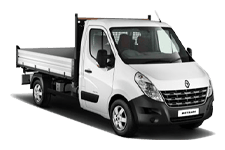
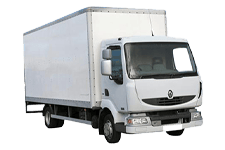
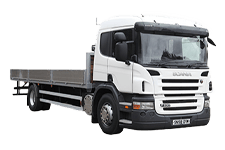
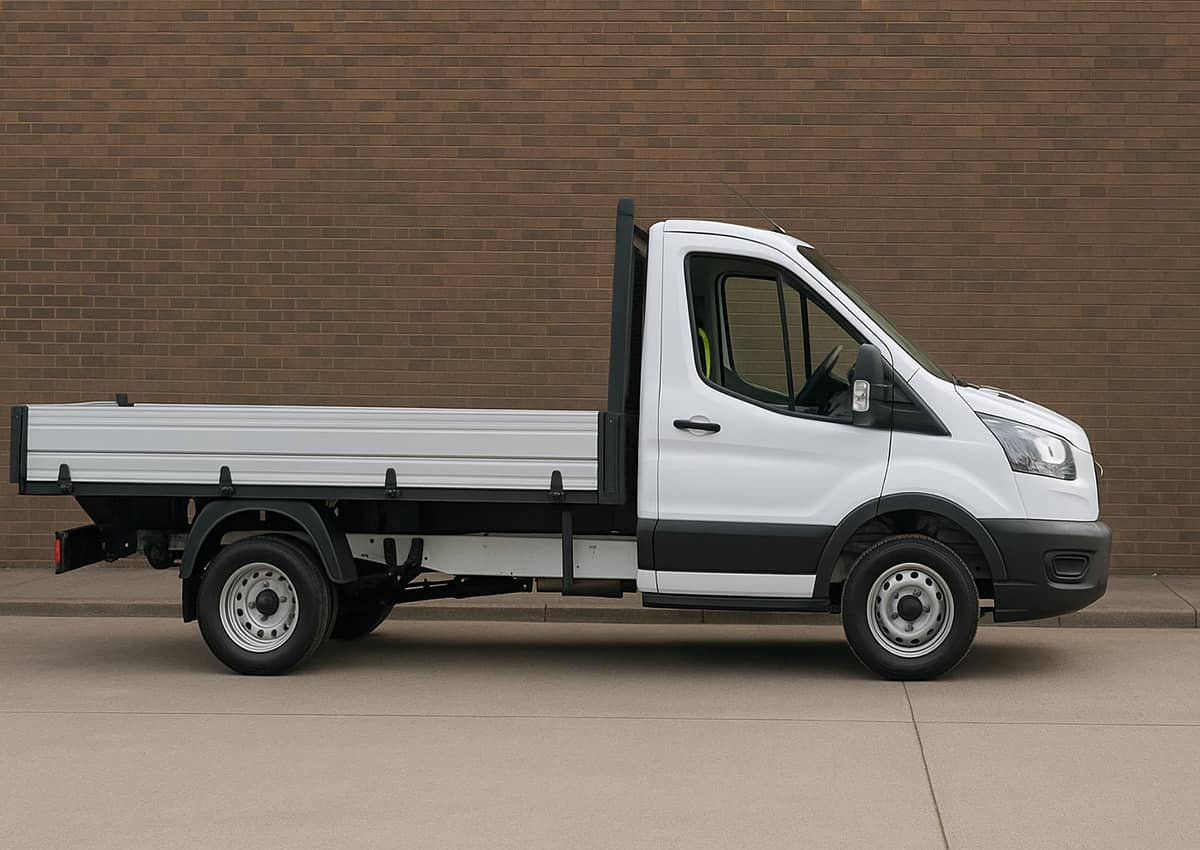
Dropsides are commonly offered in roughly three metre and four metre bed categories, alongside a tail-lift version and a 7.5 tonne lorry for longer or heavier work. The shorter bed suits boards, fencing, bagged materials and small machinery where a larger vehicle would struggle to stop. The longer bed helps with pipe, lengths of timber and site supplies that would otherwise hang off the back.
A tail lift can help with palletised or wheeled goods where there is no loading bay, but its lifting rating is separate from what the vehicle can carry. The 7.5 tonne category adds deck length and capacity, yet it needs a different licence, a suitable route and somewhere lawful to stop. Published sizes are representative; confirm bed length, width, side height and payload for the vehicle actually allocated.
A quick test: lay the longest item on the ground and add a hand's width at each end for strapping. If that exceeds the shorter bed, go longer rather than relying on an overhang. For mixed loads, put the heaviest items low and near the headboard, and load in reverse order so the first thing you need is the last thing on.
Sources: Nationwide Hire UK: 3 metre dropside, Nationwide Hire UK: 4 metre dropside, Nationwide Hire UK: dropside with tail lift, Nationwide Hire UK: 7.5 tonne dropside
Licence, gross weight and payload are different things
A standard category B car licence generally covers vehicles up to 3.5 tonnes maximum authorised mass. Above 3.5 tonnes and up to 7.5 tonnes, category C1 is normally required. Check the categories on each driver's current licence against the plated weight of the vehicle, and ask the supplier about any age or experience conditions they apply before you book.
Maximum authorised mass, often called gross vehicle weight, is the most the loaded vehicle may weigh. Payload is what remains for your goods once the vehicle, fuel, driver and passengers are counted. The plate or sticker on the vehicle normally shows the permitted maximum. Include pallets and packaging in your estimate, recheck how weight sits on each axle after a partial drop, and use a weighbridge if you are unsure.
Sources: GOV.UK: driving licence categories, GOV.UK: vehicle weights explained, DVSA: HGV overloading basics
Restraining the load and handling overhangs
Official guidance is clear that a load must be secured for the journey and cannot rely on its own weight or friction to stay put. Before loading, look at the platform, dropside hinges and catches, headboard and anchor points. Rope hooks and sheeting hooks are not restraint points. Straps, chains, chocks, friction matting and side raves each have a role, but the right combination depends on the actual load.
Do not assume straps or matting come with the hire; ask, and bring rated equipment if needed. Long items projecting past the rear or sides may need marking, and larger projections can require advance notice, so measure the overhang and check the current government guidance before setting off. Keep the sides raised and latched whenever the vehicle moves with goods aboard.
Sources: DVSA: securing loads on HGVs and goods vehicles, DVSA: load securing basics, DVSA: ways to secure a load, DVSA and DfT: overhanging loads on vehicles
Side loading and unloading without surprises
Folding sides are a genuine advantage: forklifts and people can reach the load from three directions instead of one. That benefit comes with a condition. Lowering a side while goods are leaning against it can let them fall, so check each item is stable before releasing the catches, and stand clear of the swing as the side drops.
Workplace guidance recommends unloading on clear, level ground with the vehicle as stable as possible, loads spread and secured, and arrangements agreed beforehand. On a street that means choosing a spot away from moving traffic where pedestrians can be kept clear, having enough people for long or heavy pieces, and never climbing on an unsecured load. If the receiving person cannot help, reschedule rather than improvise.
Sources: HSE: safe loading and unloading
What to confirm with the supplier
Hire terms differ between companies, so read the booking documents from the business you actually hire from. Useful questions include the exact collection address and opening times, what the price covers, deposit and mileage arrangements, insurance cover and excess, how damage is recorded at handover, and whether any restraint equipment is provided or must be brought.
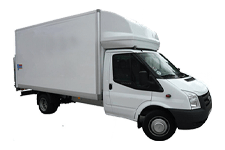
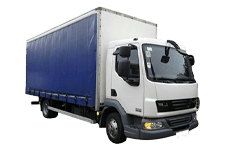
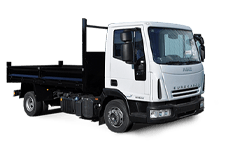
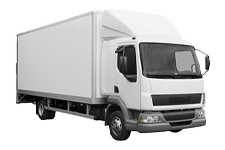
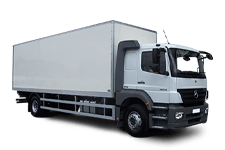
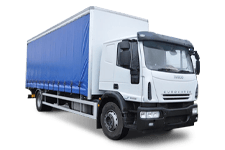
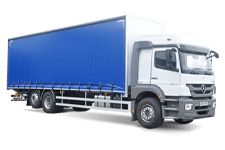
If the goods are furniture or anything that must stay dry, a Luton box with tail lift may protect them better than an open bed. Loose soil or aggregate usually suits a tipper, subject to where it can be tipped. Heavier curtainside and box trucks are specialist enquiries with their own licence and operator requirements. Choose the body that fits the load, not the other way round.
Sources: Third-party reference: Nationwide Hire UK terms and conditions